
Byproduct Documentation: Turning Vegetation Management into Defensible Rate Case Evidence

Post by
Tom Janes
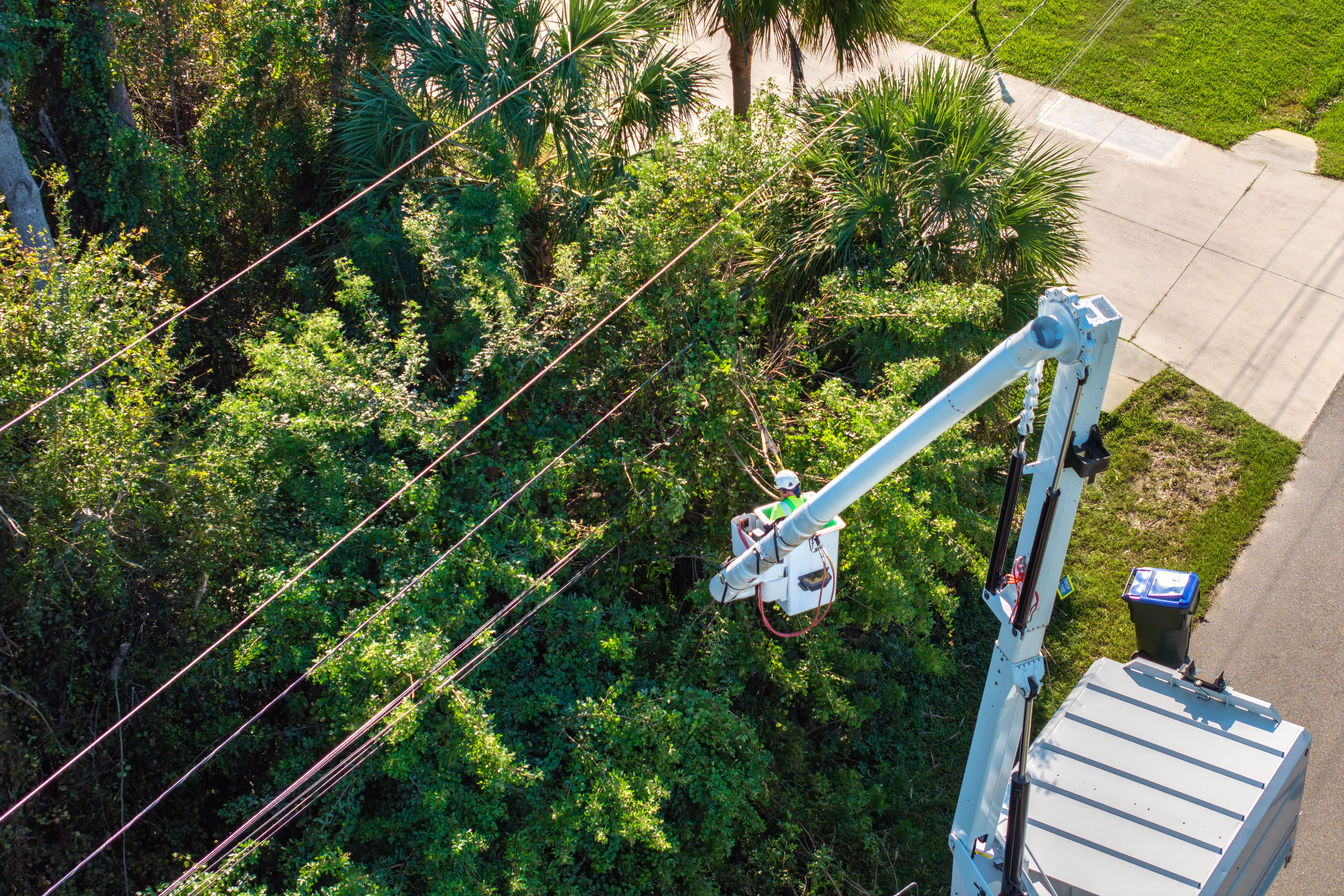
Electric utilities invest enormous resources building System Resiliency Plans that promise regulators a safer, more defensible grid. But an SRP is only as credible as the operational data behind it, and for most utilities, vegetation management is one of the largest and most complex data sources feeding that plan. With the industry spending between $6 billion and $8 billion annually to manage rights-of-way, and vegetation-related outages remaining a leading cause of transmission failures, regulators, auditors, and insurers are no longer willing to take a utility's word for it. They want risk-based targeting, and they want undeniable evidence that the targeting was executed fairly and completely - evidence that, for most utilities, is far harder to produce than the work itself.
Consider the scale of recent commitments: major Wildfire Mitigation Plans (WMPs) routinely put billions of dollars into play, with expanded vegetation management as a headline item. Because these figures represent such a massive Operations & Maintenance (O&M) line item, regulators, auditors, and insurers are paying closer attention to how that money gets allocated. They want to see risk-based targeting, and they want undeniable evidence that the targeting was executed fairly and perfectly.
The Burden of "Reconstruction Work"
The regulatory landscape has intensified. On the transmission side, NERC FAC-003-5 has raised the bar for documentation with steep penalties for ineffectively designed plans. On the distribution side, comprehensive WMPs are now the dominant regulatory framework across many states. Regulators demand to see risk-prioritized work plans, documented execution, and measurable reliability outcomes.
When a utility's vegetation management program runs on a fragmented network of spreadsheets, disparate work management systems, and phone calls, building a rate case or passing a compliance audit becomes a massive forensic exercise.
We call this "reconstruction work." The regulatory and compliance teams must go back to field records, dig up contractor invoices, cross-reference outage data, and review inspection logs to stitch together a narrative that connects the initial risk data to the final dollar spent. This manual process is time-consuming, and ultimately, the resulting evidence is only as clean as the fragmented source data it was built upon. When millions in cost recovery are on the line, relying on a reconstructed paper trail introduces profound financial risk.
The Solution: Byproduct Documentation
Innovative utilities are escaping this cycle by deploying workflow orchestration layers that connect their risk detection systems directly to their field execution tools. When the operational workflow is automated, a fundamental shift occurs: compliance documentation and rate case evidence become natural byproducts of daily operations.
When data moves through a unified orchestration layer, the evidence builds automatically:
- The Trigger: Work orders automatically capture and log the specific LiDAR or satellite risk input that initiated them.
- The Dispatch: Every dispatch records the assigned contractor, geospatial scope, and timeline.
- The Verification: Completion verifications timestamp the clearance achieved and the specific method used to confirm it.
The Exceptions: If a span cannot be cleared due to a landowner dispute, the workflow automatically logs the exception, the reason, and the remediation plan.
Auditing the Algorithm: The Human Element
Having a perfect digital paper trail is vital, but in today's regulatory environment, consumer advocates and intervenors don't just audit whether the work was done, they audit whether the underlying algorithm was fair.
If an AI risk model relies heavily on historical outage data, it might inadvertently deprioritize trimming in marginalized communities that have historically lacked sensor deployment or infrastructure investment. Perfect documentation of a biased algorithm is not a defensible regulatory strategy.
This is why workflow orchestration is so crucial: it replaces the concept of a "black box" algorithm with an "AI-assisted, human-approved" process. The orchestration layer allows human engineers and vegetation managers to review, adjust, and approve the automated risk scores before they become active work orders. It captures the context of the decision, ensuring that equity, local municipal tree ordinances, and human judgment are factored in and documented right alongside the data.
Shifting from Assembly to Presentation
When a utility adopts this transparent, human-in-the-loop approach, its regulatory posture changes fundamentally. During a rate case or a NERC audit, the compliance team is no longer scrambling to assemble evidence after the fact. Instead, their job shifts entirely from evidence assembly to evidence presentation.
The commission filing draws from the exact same dataset that drove the daily operational decisions. Utilities that can demonstrate a risk-based, equitable, fully documented, and auditable vegetation management program are in a fundamentally stronger position with regulators and the public. By investing in the operational connective tissue to orchestrate field execution, utilities can secure their cost recovery and transform regulatory compliance from a burden into a strategic advantage.
Want to continue the discussion? Schedule a chat with Tom.